
Introduction
In today’s digital world, learning how to protect devices from hackers is no longer optional. From smartphones and laptops to tablets and smart home gadgets, almost every device we use is connected to the internet. This connection brings convenience, but it also opens the door to cyber threats. Hackers are constantly looking for weak points to steal personal data, spy on activities, or cause financial damage.
Many people believe hackers only target large companies. In reality, everyday users are often easier targets. Weak passwords, outdated software, and unsafe browsing habits make personal devices attractive to attackers. That is why understanding how to protect devices from hackers is essential for both beginners and intermediate users.
What Is Protect Devices From Hackers?
Protect devices from hackers means using tools, settings, and safe habits to stop unauthorized people from accessing your devices and data. Hackers try to break into devices to steal information, install harmful software, or control systems without permission.
This protection covers all types of devices, including:
- Smartphones and tablets
- Laptops and desktop computers
- Smart TVs and home devices
- Work and personal gadgets
When you protect devices from hackers, you focus on preventing attacks such as malware infections, phishing scams, and password theft. These attacks often happen silently, without the user noticing until damage is done.
Protection is not a single action. It is an ongoing process that includes updates, awareness, and smart choices. Even simple habits, like locking your screen or avoiding suspicious links, play an important role.
In short, to protect devices from hackers is to create multiple layers of defense. Each layer makes it harder for attackers to succeed, keeping your data and privacy safe.
Why Is Protect Devices From Hackers Important?
Learning how to protect devices from hackers is important because digital threats can affect every part of life. Hackers are not just after money. They also target personal photos, messages, contacts, and work files.
Here are key reasons why protection matters:
- Personal data theft can lead to identity fraud
- Financial losses can happen through stolen banking details
- Privacy can be violated through spying or tracking
- Devices can become slow or unusable due to malware
- Work and personal reputation can be damaged
For example, a hacked email account can be used to scam friends and family. A compromised phone can expose private conversations. Even smart home devices can be misused if not secured.
When you protect devices from hackers, you reduce stress and gain peace of mind. You also avoid costly recovery efforts, which often take time and money.
Most importantly, strong device protection helps you stay in control. Instead of reacting to problems after they happen, you prevent them before they start.
Detailed Step-by-Step Guide

Step 1: Use Strong and Unique Passwords
Passwords are the first line of defense. Weak passwords are easy for hackers to guess.
- Use at least 12 characters
- Combine letters, numbers, and symbols
- Avoid names and common words
- Use different passwords for each account
A password manager can help store and generate secure passwords.
Step 2: Enable Two-Factor Authentication
Two-factor authentication adds an extra security step. Even if someone knows your password, they still need a second code.
Common methods include:
- SMS verification codes
- Authentication apps
- Email confirmation
This step greatly helps protect devices from hackers.
Step 3: Keep Software and Systems Updated
Updates often include security fixes. Ignoring them leaves known weaknesses open.
- Enable automatic updates
- Update operating systems regularly
- Keep apps and browsers current
Hackers often exploit outdated software.
Step 4: Install Reliable Security Software
Security software helps detect and block threats.
- Use trusted antivirus programs
- Enable real-time protection
- Run regular scans
This is especially important for computers and Android devices.
Step 5: Be Careful With Emails and Links
Phishing attacks trick users into giving away information.
- Do not click unknown links
- Check sender addresses carefully
- Avoid downloading unexpected attachments
When in doubt, delete the message.
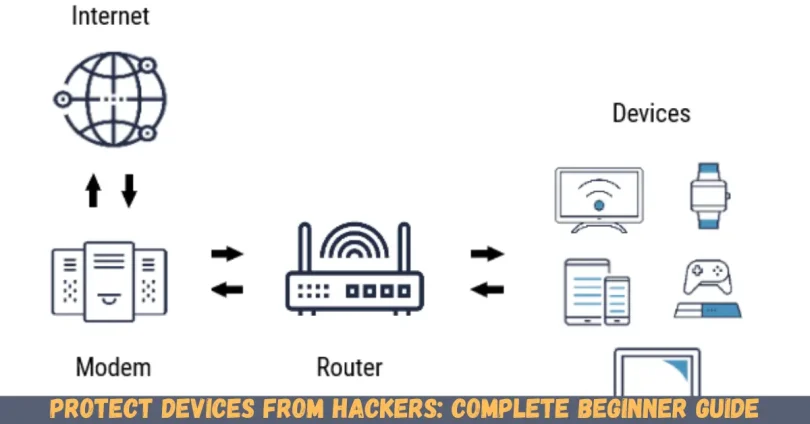
Step 6: Secure Your Internet Connection
An unsafe network can expose your devices.
- Use strong Wi-Fi passwords
- Avoid public Wi-Fi for sensitive tasks
- Turn off sharing when not needed
A secure network helps protect devices from hackers at home and outside.
Step 7: Lock and Encrypt Your Devices
Physical access can lead to hacking.
- Use screen locks or biometric security
- Enable device encryption
- Set auto-lock timers
These steps protect data even if a device is lost.
Step 8: Back Up Your Data Regularly
Backups protect you from data loss.
- Use cloud or external storage
- Schedule automatic backups
- Test backups occasionally
If a device is attacked, you can recover your files.
Benefits of Protect Devices From Hackers
- Keeps personal and financial data safe
- Reduces risk of identity theft
- Improves device performance and stability
- Protects privacy and personal conversations
- Saves time and money on recovery
- Builds confidence in using technology
Disadvantages / Risks
- Initial setup may take time
- Some security tools may cost money
- Overprotection can cause minor inconvenience
- Users may feel overwhelmed by settings
Despite these points, the benefits clearly outweigh the risks.
Common Mistakes to Avoid
Many people try to protect devices from hackers but make simple mistakes.
Common errors include:
- Reusing the same password everywhere
- Ignoring update notifications
- Trusting unknown apps or websites
- Disabling security features for convenience
- Assuming mobile devices do not need protection
Avoiding these mistakes improves your overall security.
FAQs
How often should I update my devices?
You should update devices as soon as updates are available. Updates fix security issues and improve protection.
Can hackers access my device without internet?
Direct internet access is usually required, but malware can be installed through USB devices or files.
Is antivirus software enough?
Antivirus helps, but it is not enough alone. Safe habits and updates are equally important.
Are Apple devices safe from hackers?
No device is completely safe. Apple devices are secure, but they still need protection and updates.
What should I do if my device is hacked?
Disconnect from the internet, change passwords, scan for malware, and seek professional help if needed.
Do smart home devices need protection?
Yes. Smart devices can be hacked if left unsecured. Always change default passwords and update firmware.
Expert Tips & Bonus Points
Experts recommend thinking in layers. Do not rely on one method.
Additional tips include:
- Review app permissions regularly
- Remove unused apps and accounts
- Monitor login alerts
- Educate family members about online safety
- Use separate devices for work and personal use when possible
These small actions add extra strength to your security.
Conclusion
Learning how to protect devices from hackers is one of the most important digital skills today. As technology becomes a bigger part of daily life, the risks also increase. Hackers continue to find new ways to exploit weak security, but most attacks succeed because of simple mistakes.
The good news is that anyone can improve their protection. You do not need advanced knowledge or expensive tools. By following basic steps like using strong passwords, keeping software updated, and staying alert online, you can greatly reduce your risk. Each step adds another barrier that makes hacking more difficult.