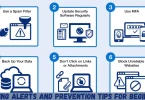

Introduction
In today’s digital world, cyber threats are constantly evolving. From individuals to businesses, no one is completely safe from hackers, malware, or data breaches. Staying informed about the latest cyber threat alerts is crucial to protect your personal information, financial data, and online presence. These alerts provide real-time warnings about new viruses, phishing attacks, ransomware, and other online dangers that can disrupt your life or business operations.
Cybercriminals are becoming more sophisticated, using advanced tactics that are hard to detect. Therefore, even if you follow basic online safety rules, being unaware of the most recent threats can leave you vulnerable. By paying attention to the latest cyber threat alerts, you can take proactive steps to secure your devices, networks, and accounts.
What is Latest Cyber Threat Alerts?
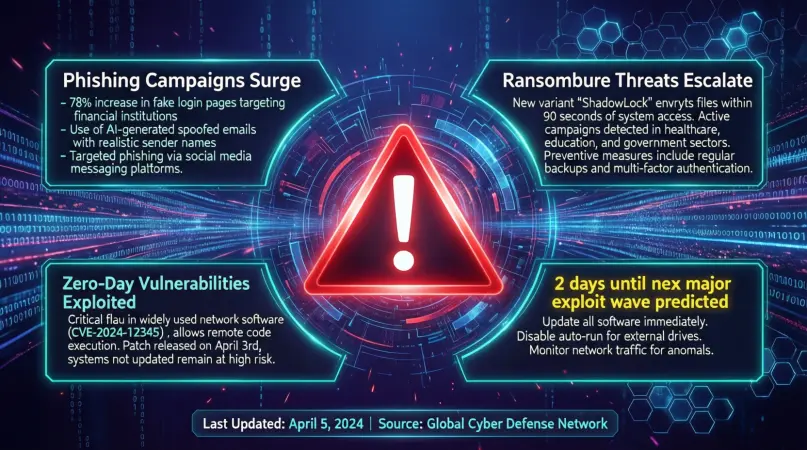
Latest cyber threat alerts are notifications, warnings, or updates issued by cybersecurity organizations, software companies, or government agencies about emerging threats on the internet. These threats can include:
- Malware and viruses
- Ransomware attacks
- Phishing scams
- Zero-day vulnerabilities
- Data breaches
- Spyware and adware
- Network intrusions
These alerts aim to inform users about the nature of the threat, its impact, and recommended actions. For example, if a new ransomware strain targets Windows computers, a cyber threat alert will notify users to update their systems, back up files, and avoid suspicious emails or downloads.
Alerts can be delivered through various channels, such as email, mobile apps, websites, or cybersecurity news platforms. By paying attention to these alerts, you can act quickly to prevent data loss, financial damage, or identity theft.
In simple terms, think of cyber threat alerts as your digital safety warning system. Just like weather alerts warn you about storms, cyber alerts warn you about online dangers before they strike.
Why is Latest Cyber Threat Alerts Important?
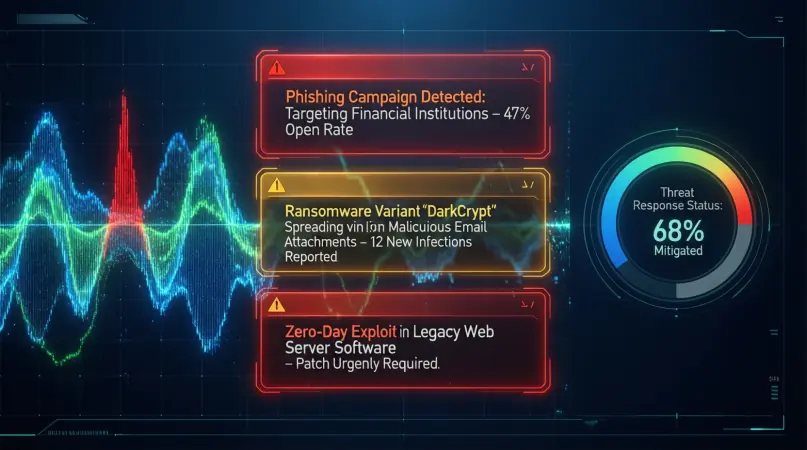
Understanding the importance of latest cyber threat alerts is crucial for anyone who uses the internet. Here are some key reasons why they matter:
- Early Warning System
Cyber threat alerts help you detect threats early. Early detection allows you to take immediate action, such as updating security software, changing passwords, or isolating infected systems. - Protect Sensitive Data
Alerts help prevent sensitive information from being stolen. Personal data, financial details, and business information can be protected by acting on warnings promptly. - Prevent Financial Loss
Many cyber threats, especially ransomware, demand money or cause financial damage. Alerts give you a chance to secure your finances before damage occurs. - Stay Ahead of Hackers
Hackers continuously adapt their tactics. By following alerts, you are always informed about the latest strategies cybercriminals use. - Comply with Security Standards
For businesses, following cyber alerts ensures compliance with data protection regulations, such as GDPR or HIPAA. Ignoring them can result in fines or legal penalties. - Maintain Reputation
Cyber attacks can damage your personal or business reputation. Staying alert reduces the risk of data leaks and cyber incidents that harm trust.
Detailed Step-by-Step Guide to Understanding and Responding to Cyber Threat Alerts
Step 1: Identify Reliable Sources
To benefit from the latest cyber threat alerts, it’s essential to use trustworthy sources. Some reliable channels include:
- Government cybersecurity agencies
- Reputable cybersecurity companies
- Technology news websites
- Email alerts from antivirus software
Avoid relying on unverified social media posts or unknown websites, as these can spread false information or scams.
Step 2: Understand the Alert
When you receive a cyber threat alert, read it carefully to understand:
- Type of threat (malware, ransomware, phishing, etc.)
- Targeted devices or systems
- Severity level
- Recommended action
Understanding these details ensures that your response is appropriate and effective.
Step 3: Update Security Software
Most alerts recommend updating antivirus or anti-malware software. Ensure:
- Your antivirus is active and up to date
- Your firewall settings are optimized
- Operating system patches are installed
Regular updates are the first line of defense against new threats.
Step 4: Back Up Your Data
Many cyber threats, like ransomware, can lock your files. Regular backups can prevent permanent data loss:
- Use cloud storage or external drives
- Schedule automatic backups
- Test backup restoration regularly
Backups are a safety net in case of unexpected attacks.
Step 5: Strengthen Passwords
Alerts often indicate phishing attempts or password breaches. Protect your accounts by:
- Using strong, unique passwords
- Enabling two-factor authentication (2FA)
- Changing passwords immediately if an alert affects your service
Strong passwords reduce the risk of unauthorized access.
Step 6: Monitor for Suspicious Activity
After receiving an alert, monitor your accounts and devices for unusual activity:
- Unauthorized login attempts
- Unexpected software installations
- Pop-ups or unusual network traffic
Early detection of suspicious activity allows faster containment of threats.
Step 7: Educate Yourself and Others
Cyber threats often exploit human error. Stay informed and share knowledge:
- Take online cybersecurity courses
- Train employees or family members
- Share alerts and tips responsibly
Education reduces the chance of falling victim to common attacks.
Step 8: Respond to Confirmed Threats
If a threat is confirmed:
- Disconnect affected devices from the internet
- Run full antivirus scans
- Follow official remediation steps provided in the alert
- Notify relevant parties (IT teams, financial institutions, or service providers)
Quick action limits damage and ensures proper recovery.
Benefits of Latest Cyber Threat Alerts
Staying updated with latest cyber threat alerts offers several advantages:
- Proactive Protection: Stop attacks before they happen
- Reduced Financial Loss: Avoid ransomware and scams
- Data Safety: Protect personal and business information
- Increased Awareness: Know current threats and tactics
- Improved Decision Making: Make informed choices about software and devices
- Regulatory Compliance: Meet cybersecurity standards
- Peace of Mind: Feel confident online knowing you are informed
Disadvantages / Risks
While alerts are valuable, there are some risks:
- Overload of Information: Frequent alerts can be overwhelming
- False Alarms: Some alerts may not pose real threats
- Delayed Action: Ignoring alerts increases vulnerability
- Complacency Risk: Relying solely on alerts without other measures may fail
- Technical Misunderstanding: Misinterpreting alerts can cause unnecessary panic
Common Mistakes to Avoid
- Ignoring alerts thinking they are spam
- Using outdated antivirus software
- Skipping software and system updates
- Using weak or repeated passwords
- Failing to back up important data
- Sharing alerts without verifying the source
- Not training team members or family about cybersecurity
Avoiding these mistakes ensures the effectiveness of cyber threat alerts in protecting your digital life.
FAQs
1. How often are cyber threat alerts updated?
Cyber threat alerts can be updated daily or even multiple times a day, depending on the severity of emerging threats. Staying subscribed to reliable sources ensures you receive timely notifications.
2. Are cyber threat alerts only for businesses?
No, alerts are important for individuals as well. Personal computers, smartphones, and online accounts can be targets of malware, phishing, or ransomware.
3. Can alerts prevent all cyber attacks?
While alerts greatly reduce risk, no system can prevent all attacks. They are part of a layered defense strategy that includes software updates, backups, and safe online habits.
4. How do I know if an alert is real?
Check the source. Official government agencies, reputable cybersecurity companies, and recognized news platforms are trustworthy. Avoid alerts from unknown websites or suspicious emails.
5. Should I act on every alert immediately?
Prioritize alerts based on severity and relevance to your devices. Critical alerts affecting your system require immediate action, while informational alerts can be addressed within a reasonable time.
6. What if I miss an alert?
If you miss an alert, review recent cybersecurity news and software updates. Implement precautionary measures, such as scanning your system for threats and updating passwords.
7. How can I receive alerts on my mobile device?
Many cybersecurity apps offer push notifications for latest threats. You can also subscribe to email alerts or follow official cybersecurity social media accounts for updates.
8. Are there free tools for staying updated?
Yes, many government websites, antivirus companies, and online security platforms provide free alert services and threat dashboards to help individuals and small businesses.
Expert Tips & Bonus Points
- Enable Multi-Layered Security: Combine antivirus, firewalls, and VPNs for better protection
- Regularly Update Devices: Keep all devices, including smartphones, updated
- Use Strong Authentication: Implement two-factor or multi-factor authentication for accounts
- Segment Networks: For businesses, separate critical systems from public-facing networks
- Test Your Backups: Periodically ensure your backups work and can restore systems
- Educate Regularly: Host training sessions for employees and family members
- Stay Calm: Don’t panic during alerts; follow verified steps methodically
Bonus Tip: Subscribe to multiple alert sources. Cross-referencing alerts can improve accuracy and readiness.
Conclusion
Cybersecurity threats are evolving faster than ever, and staying updated with the latest cyber threat alerts is no longer optional—it’s essential. These alerts act as your digital warning system, allowing you to respond quickly to malware, phishing attempts, ransomware, and other online dangers. By understanding alerts, updating software, backing up data, and following best practices, you can reduce risks, protect sensitive information, and maintain peace of mind online.
Ignoring alerts or underestimating cyber threats can lead to financial loss, data breaches, and damaged reputations. Conversely, acting on alerts with knowledge and preparation empowers you to stay one step ahead of cybercriminals. Whether you are an individual, small business, or large organization, integrating cyber threat alerts into your daily cybersecurity routine is a smart and proactive step.